
If you’re considering Paint Protection Film (PPF) for your vehicle, one of the most common questions people ask is: does Paint Protection Film turn yellow over time? It’s a fair concern. After all, your car’s appearance matters, and the last thing you want is a protective layer that makes your paint look worse.
The truth is that older generations of PPF sometimes did yellow, especially after long exposure to sunlight and road contaminants. However, modern technology has significantly improved the durability and clarity of paint protection film.
For drivers in sunny places like Fort Lauderdale, understanding how PPF works—and what causes discoloration—can help you make the right decision for protecting your vehicle.
Why Older Paint Protection Film Used to Turn Yellow
Years ago, PPF technology was still evolving. Early films were made with materials that didn’t handle UV exposure, heat, and road chemicals very well.
Here are a few reasons older films sometimes yellowed:
UV damage: Constant sunlight broke down the film’s top layer.
Oxidation: Air and moisture slowly caused discoloration.
Low-quality materials: Some early films lacked protective coatings.
Environmental contaminants: Pollution, bug splatter, and road tar could stain the film.
Because of these issues, some people still believe all PPF eventually turns yellow. Fortunately, modern paint protection film is engineered very differently.
How Modern Paint Protection Film Prevents Yellowing
Today’s high-quality PPF uses advanced polyurethane materials and UV inhibitors to maintain clarity for many years.
Modern films are designed with several protective layers:
UV-resistant top coats that block sun damage
Self-healing technology that removes light scratches with heat
Anti-stain coatings that resist discoloration
Optically clear materials that maintain your car’s original paint color
Many premium PPF brands now come with warranties of 5–10 years, guaranteeing that the film will not yellow when installed properly.
This means when professional installers use high-quality film, yellowing is very unlikely under normal conditions.
Protect Your Vehicle Before Damage Happens
If you want to keep your car’s paint looking brand new, professional installation is key. At Tint City and Wraps in Fort Lauderdale, we use high-quality paint protection films designed to resist yellowing, UV damage, and road debris.
Contact Tint City and Wraps today for a free consultation and see how PPF can protect your vehicle.
Factors That Can Still Cause PPF to Discolor
Although modern films are much better, a few factors can still affect the appearance of PPF over time.
1. Low-Quality Film
Cheap films often lack proper UV protection and may discolor faster.
2. Improper Installation
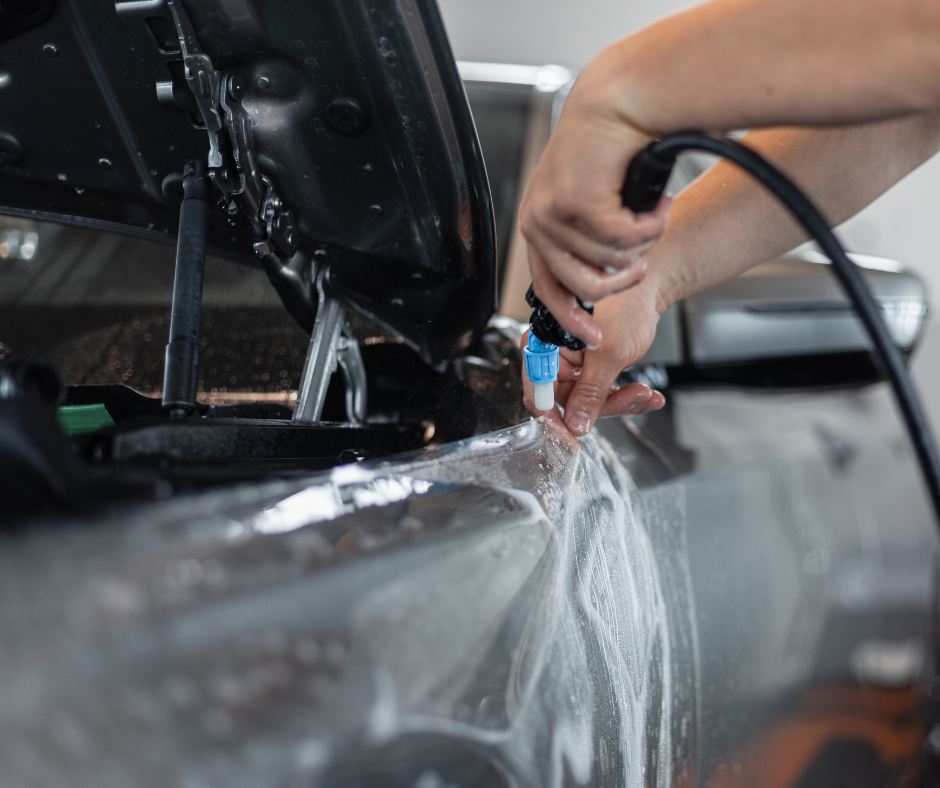
Poor installation can trap contaminants under the film, leading to visible discoloration.
3. Harsh Chemicals
Using aggressive cleaners or solvents may damage the protective layer of the film.
4. Environmental Exposure
In coastal areas like Fort Lauderdale, salt air, strong UV rays, and heat can affect lower-quality films over time.
How to Keep Paint Protection Film Looking Clear
Maintaining your PPF is actually simple. A few basic habits can keep it looking clear and glossy for years.
Helpful tips include:
Wash your vehicle regularly
Avoid harsh chemical cleaners
Use microfiber towels when drying
Remove bird droppings and bug splatter quickly
Consider ceramic coating on top of PPF for extra protection
Regular care helps maintain the film’s clarity and prevents staining.
Is Paint Protection Film Still Worth It?
Absolutely. Even with the concern about discoloration, PPF remains one of the best ways to protect your vehicle’s paint.
Benefits include:
Protection against rock chips and scratches
Resistance to road debris and bug splatter
Self-healing technology for minor swirl marks
Improved resale value
Long-term protection for expensive paint finishes
For car owners who want their vehicle to stay in showroom condition, paint protection film is often the most reliable solution available.
Frequently Asked Questions
1. How long does paint protection film last?
Most high-quality PPF lasts 5–10 years depending on the brand, maintenance, and environmental conditions.
2. Can paint protection film be removed?
Yes. PPF can be safely removed by professionals without damaging the original paint.
3. Does PPF affect the color of my car?
No. High-quality films are optically clear and designed to preserve your vehicle’s original color.
4. Can PPF be installed on any car?
Yes. PPF can be applied to most vehicles, including luxury cars, daily drivers, and trucks.
5. Does PPF protect against scratches?
PPF protects against light scratches, rock chips, and swirl marks, and many films feature self-healing properties.
6. Can ceramic coating be applied over PPF?
Yes. Ceramic coating is often applied over PPF to add extra gloss and make cleaning easier.
So, does paint protection film turn yellow over time? With modern technology and professional installation, the answer is usually no. High-quality PPF is designed to stay clear, resist UV damage, and protect your vehicle for years.
Choosing the right film and experienced installers makes all the difference when it comes to long-term performance and appearance.
Protect Your Car with Professional PPF Installation
If you’re looking for Paint Protection Film in Fort Lauderdale, Tint City and Wraps is here to help. Our team specializes in high-quality PPF installation designed to keep your vehicle looking flawless.
Contact Tint City and Wraps today to schedule your consultation and give your car the protection it deserves.
